Medical Center MEDICA 2005
Affiliates Sofia, Vidin and
MC Academica 2008 - Pleven

PTSD - post-traumatic stress disorder is a mental illness that develops after experiencing or witnessing traumatic events. These events include natural disasters, serious accidents, acts of terrorism, war/battles, assaults, rapes, etc.
PTSD is characterized by a variety of symptoms that can persist long after the traumatic event has ended. Symptoms include anxiety, flashbacks, nightmares, uncontrolled thoughts about the trauma. Patients with PTSD may experience emotional numbness, sleep disturbance, irritability, feeling isolated from other people.
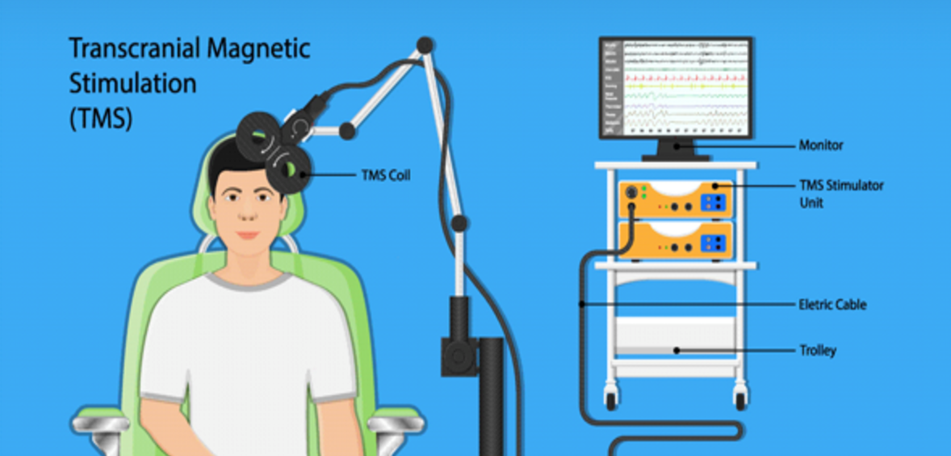
TMS has several significant advantages for PTSD sufferers. It is a non-invasive and harmless procedure that does not require the use of anesthesia and surgical interventions. TMS treatment is well tolerated and has minimal side effects compared to drug treatment and reduces dependence on them. Precisely targeting specific regions of the brain associated with PTSD offers a focused treatment that potentially results in a better effect than medication. TMS significantly relieves intrusive thoughts, awakenings, and nightmares. The therapeutic effect of TMS is long-term, significantly exceeding the period of therapy sessions.